- 180 East 79th Street, 1C, New York, NY 10075
- 180 East 79th Street, 1C, New York, NY 10075
If you love the results of a chemical peel, but want to avoid harsh side effects and deep peeling, our signature “Go and Glow” lactic acid peel — offered exclusively at our Upper East Side MedSpa — just might be for you.
Designed for clients who want a brighter, smoother complexion with minimal irritation, our lactic acid chemical peel is tailored to improve texture, fade pigmentation, and refresh your skin—while being gentle enough for most skin types and tones.
Since 2002, our team of medical estheticians and skincare professionals have combined professional-grade treatments, personalized care, and local convenience to help you look and feel your best. Here’s what to expect from the “Go and Glow” Lactic Acid Peel at our Manhattan Medical Spa:
Go and Glow Lactic Acid Peel Benefits and Results
• Gentle Exfoliation: Removes dead skin cells to reveal smoother, softer skin.
• Brightens Skin Tone: Helps reduce dullness and promotes a radiant complexion.
• Hydration Boost: Lactic acid attracts and retains moisture for plumper, more supple skin.
• Reduces Fine Lines: Smooths the appearance of early wrinkles and expression lines.
• Improves Texture: Refines rough or uneven skin for a polished, healthy look.
• Targets Hyperpigmentation: Helps fade dark spots, sun damage, and post-inflammatory marks.
• Safe for Sensitive Skin: Mild formulation suitable for most skin types, including sensitive skin.
• Minimal Downtime: Refreshes the skin without significant peeling or recovery time.
• Enhances Skincare Absorption: Prepares the skin to better receive serums and treatments.
• Prepares Skin for Events: Gentle enough for a pre-event glow without irritation.
A lactic acid peel is a type of superficial chemical peel derived from milk‑based sources.
Lactic acid belongs to the alpha hydroxy acid (AHA) family, alongside well-known acids like glycolic and mandelic acid.
Unlike deeper peels, lactic acid is a superficial peel that works gently to exfoliate the top layers of skin. This makes it a go‑to option for improving skin texture, reducing fine lines, and addressing mild hyperpigmentation— with less downtime and recovery.
Ideal for busy Manhattan professionals, our lactic acid peel offers an effective way to gently refresh and rejuvenate your skin — exclusively available at our MedSpa in NYC.
A professional lactic acid peel exfoliates the outermost layer of the skin, stimulating new cell growth and boosting collagen and elastin production, revealing fresher, smoother skin underneath.
This exfoliating process clears away dead cells and surface debris, uncovering the newer, healthier skin beneath and restoring a clean, radiant look and feel.
It helps brighten the complexion, soften rough texture, fade dark spots, and refine the surface of the skin.
The lactic acid peel results include ability to:
A lactic acid peel is a gentle chemical peel that helps maintain healthy skin. Over a series of sessions, it can provide noticeable improvements in texture, tone, and overall radiance with benefits including:
Gentle Exfoliation: Lactic acid removes dead skin cells from the surface, revealing fresher, healthier skin without irritation.
Hydration Boost: Naturally humectant, lactic acid helps the skin retain moisture, leaving it soft, supple, and glowing.
Skin Brightening: Regular use can improve dullness and uneven skin tone, giving the complexion a luminous, radiant appearance.
Fine Lines and Texture: Promotes gentle cell turnover, improving the appearance of fine lines and smoothing rough texture.
Hyperpigmentation Reduction: Mild but consistent exfoliation helps reduce dark spots and discoloration over time.
Sensitive and Dry Skin Friendly: Its slow-acting formula is ideal for sensitive or dry skin types and safe for Fitzpatrick Scale 1-6.
Minimal Irritation: Unlike stronger peels, lactic acid is less likely to cause redness, stinging, or peeling, making it a great choice for first-time peel clients or those seeking a gentle “lunchtime” treatment.
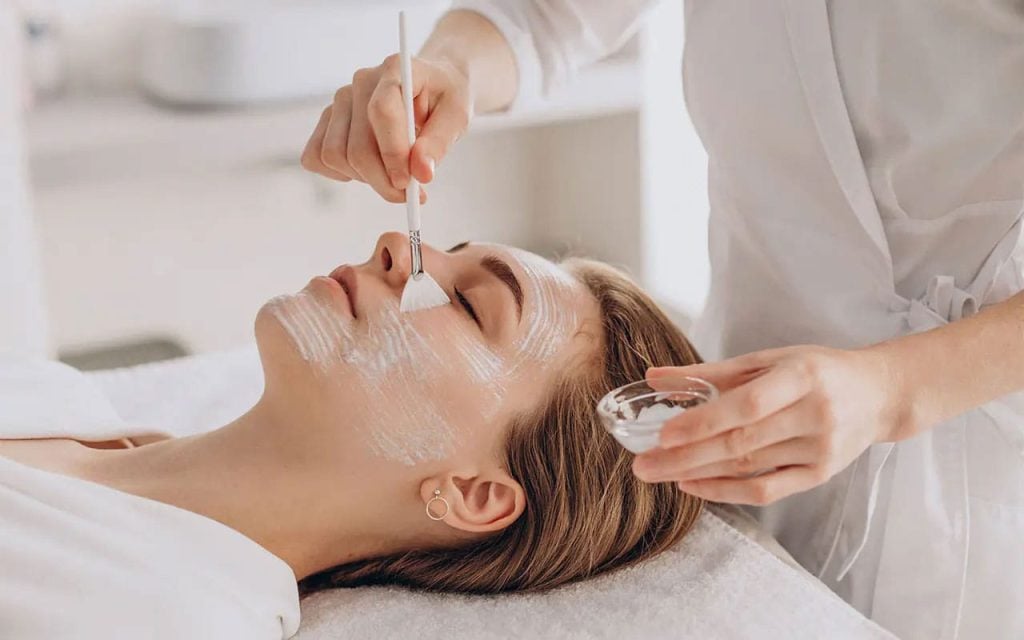
A lactic acid peel protocol is simple, straightforward, and typically takes about 20–30 minutes from start to finish.
This quick “lunchtime” treatment delivers visible results with minimal downtime, irritation, or recovery, making it easy to fit into a busy Manhattan or Upper East Side schedule. Here’s what to expect step by step:
Lactic Acid is a hydrating, brightening AHA peel that gently exfoliates while supporting moisture balance, making it suitable even for dry or mature skin.
Side Effects:
Pain Level:
Recovery:
It’s important to note that professional application minimizes risks and ensures proper pre- and post-care for the best results. Seek the advice of a professional skincare specialist to make sure no untoward side effects occur.
For optimal results, most professionals recommend scheduling lactic acid peels every 2‑4 weeks, with maintenance treatments adapted to your skin type and aesthetic goals.
Safety in pregnancy should always involve consultation with your skin‑care professional or doctor.
Generally, milder lactic acid peels may be considered safer than stronger treatments, but we strongly advise confirming at our Medical Spa NYC one the UES before proceeding.
Following your treatment, your skin may feel slightly warm or appear mildly pink. In the next few days you may notice gentle flaking or dryness—the sign that your skin is renewing.
As your skin settles, you’ll see smoother, brighter results. Proper after‑care, including hydration and sun protection, is key to maximizing benefits.
A lactic acid peel is used for a variety of skincare goals: freshening dull skin, refining texture, reducing fine lines, fading sun damage or post‑inflammatory marks — all while offering a gentle introduction to chemical peels.
It’s suitable for maintaining healthy skin, or for a glow up before a major event.
Yes, mild peeling or flaking is common after a lactic acid peel. Typically, the extent of peeling depends on the depth of the peel and the concentration of its acid formulation.
Because the peel sheds surface skin cells, you may see light shedding or dryness within a few days following your treatment.
This is part of the renewal process and chemical peel post-care should be managed with gentle moisturizers and SPF.
To support your skin after the peel, practice gentle post‑care:
Use only a mild, non‑acid cleanser (no scrubs, no brushes) while your skin adjusts.
Apply a soothing, hydrating moisturizer to ease any dryness or tightness.
Protect your skin with a broad‑spectrum SPF every morning and avoid direct sun exposure or heavy sweating during the first week.
Resist picking, peeling or exfoliating the skin forcibly; allow flaking (if it occurs) to happen naturally, which supports the best outcome.
When it comes to chemical peels, not all acids are created equal. Each acid type offers unique benefits, but they also vary in strength, irritation potential, and suitability for different skin types.
Chemical peels are generally classified as a superficial peel, medium peel, or deep peel, based on how deeply they penetrate the skin. The type of acid and its concentration determine the depth of exfoliation.
Understanding these differences can help you choose the right peel for your skin concerns. In a nutshell, here are some of the most common acids found in chemical peels, as well as how chemical peel acids differ.
Glycolic Acid: Small molecules penetrate deeply, effective for fine lines and texture, but can irritate sensitive skin.
Lactic Acid: Mild and moisturizing, best for dry or sensitive skin, less effective for acne.
Salicylic Acid: Oil-soluble BHA that unclogs pores; can be drying if overused.
Mandelic Acid: Gentle yet effective, slow penetration reduces irritation, suitable for all skin types, including sensitive and darker skin tones.
TCA (Trichloroacetic Acid): A medium-depth peeling agent that targets stubborn pigmentation, wrinkles, and acne scars, promoting collagen renewal and smoother, brighter skin.
Additionally, chemical peels vary by ingredients, formulas and combinations of acids. Examples of formulations that blend ingredients include:
VI Peel: A medical-grade blend of TCA, retinoic acid, salicylic acid, phenol, and vitamin C designed to improve tone, texture, and clarity while addressing pigmentation and fine lines with minimal downtime.
GlyMed 5-Berry Peel: A professional-grade antioxidant peel powered by five potent berries rich in natural acids and vitamin C to refine texture, reduce inflammation, and brighten dull, uneven skin — ideal for sensitive, rosacea-prone, or mature skin types.
BioRePeel: An innovative, no-peel TCA-based biostimulating treatment from Italy that revitalizes the skin without visible peeling or downtime. It combines amino acids, vitamins, and GABA to improve texture, hydration, and elasticity while promoting collagen regeneration and a radiant, youthful glow.
Smooth Synergy® Med Spa is conveniently located in Manhattan, New York City. We’ve been in the business of non-invasive, cosmetic aesthetic solutions since 2002.
Our experience gives us a distinct advantage in assessing your skin to figure out what will work for you.
Our Medical Estheticians know how to use Biostimulating and Chemical Peel solutions at stronger concentrations with an unparalleled level of safety, in order to provide superior results for your skin.
Serving clients across NYC — Midtown, Downtown, and beyond, our experience gives us a distinct advantage in assessing your skin to figure out what will work for you.
Here’s why Smooth Synergy® is NYC’s trusted destination for Chemical Peels,
We are a leading provider of Chemical Peels and other professional-grade, nonsurgical treatments
Overseen by Medical Director, Dr. George Liakeas, MD, our experienced team of medical estheticians is trained in treating delicate and sensitive areas with the utmost care and precision
With over 200 5-star reviews on Google and Yelp, our reputation speaks for itself
Clients return again and again for our warm, judgment-free environment and exceptional customer service
A comprehensive menu of face, body, and sexual wellness treatments designed to make you look and feel your best
Take advantage of their skill, education, and expertise by scheduling a consultation with one of our Experts in Beauty, who will explain the Go and Glow Lactic Acid Peel to you and help you decide what’s best for you.
Please call us at 212-397-0111 to start your beauty journey.
Q: What are Lactic acid peels?
A: A category of superficial chemical peels using lactic acid—widely used in skincare routines and professional settings.
Q: What is the downtime for a lactic acid peel?
A: Downtime is minimal—expect mild redness, some flaking or dryness, and heightened sun sensitivity. Most clients resume normal activities quickly.
Q: How often should I do a lactic peel?
A: Typically every 2‑4 weeks, depending on your skin type and desired outcome.
Q: Is lactic peel safe for pregnancy?
A: Many milder peels may be safe, but you should consult with your dermatologist or skincare specialist first at our UES medspa.
Q: What to expect after a lactic acid peel?
A: Your skin may feel warm or look slightly pink, some flaking may follow, and you’ll gradually see smoother, more radiant skin—especially with proper after‑care.
Q: How to perform a lactic acid peel?
A: Cleanse → Prep → Apply thin layer → Wait per instructions → Rinse or neutralize → Soothe and protect. At‑home or professional versions both follow this basic flow.
Q: What is lactic acid peel used for?
A: Refreshing the skin’s surface, smoothing texture, fading dark spots, refining fine lines, and offering a gentle peel option for regular skin‑care maintenance.
Q: Skin peeling after using lactic acid?
A: Mild, superficial peeling or flaking is common and expected within a few days as part of the renewal process.
Q: Lactic acid peel at home or professional?
A: Both options exist: lactic acid peel at home products offer convenience and lower concentration, while professional treatments at our MedSpa Manhattan deliver higher‑strength, faster results under expert care.
Q: Lactic acid chemical peel before and after?
A: Yes—you’ll see visible changes in tone and texture. Professional concentration treatments show more dramatic outcomes.
Q: Why choose a lactic acid peel for my skin?
A: Lactic acid peels offer gentle yet effective exfoliation, improving skin texture, tone, and radiance without harsh irritation. They are ideal for clients seeking visible results with minimal downtime.
Q: How does a lactic acid peel brighten skin?
A: By promoting cell turnover and removing dull, dead skin cells, lactic acid reveals a fresher, more luminous complexion. Regular treatments can help reduce pigmentation and sunspots for an even tone.
Q: Can lactic acid peels improve fine lines and wrinkles?
A: Yes. Lactic acid stimulates collagen production and smooths the skin’s surface, which helps diminish the appearance of fine lines and early wrinkles over time.
Q: Is a lactic acid peel suitable for sensitive skin?
A: Absolutely. Lactic acid is milder than other alpha hydroxy acids, making it a great option for sensitive skin types, including rosacea-prone or delicate complexions.
Q: How does it help with acne and breakouts?
A: Lactic acid gently exfoliates and unclogs pores, which can reduce breakouts and prevent future congestion. It also helps fade post-inflammatory hyperpigmentation caused by acne.
Q: What makes professional treatments better than at-home options?
A: Professional peels use higher-strength formulations, ensuring faster, more dramatic results while being applied safely by trained experts. You also benefit from post-treatment care guidance.
Q: Can I combine lactic acid peels with other treatments?
A: Yes. Lactic acid peels pair well with facials, microneedling, or medical-grade serums to enhance results, improve hydration, and target multiple skin concerns at once.
Q: Why is minimal downtime an advantage?
A: You can enjoy noticeable skin improvements without significant flaking or recovery, making lactic acid peels ideal for busy lifestyles or pre-event glow treatments.
Q: How does lactic acid support overall skin health?
A: Beyond immediate aesthetic benefits, lactic acid encourages cellular renewal and hydration, strengthens the skin barrier, and improves absorption of serums and moisturizers applied afterward.